Healing
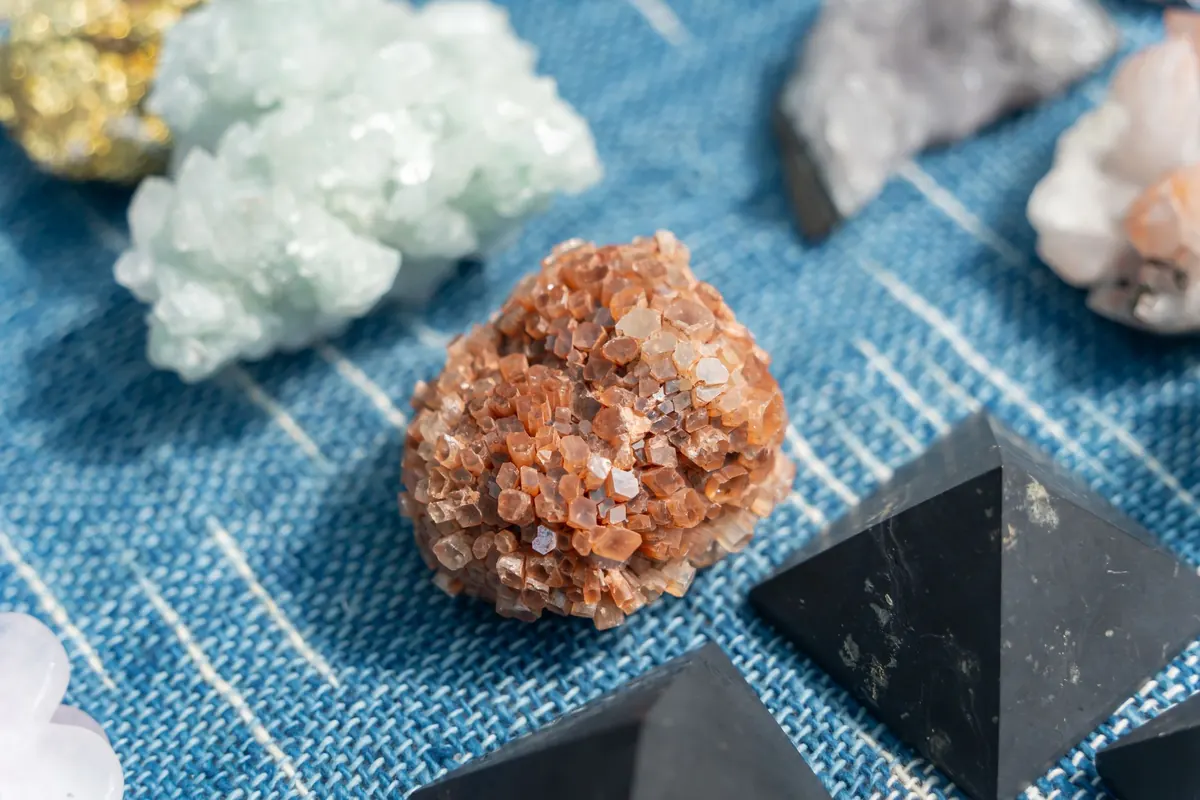
7 Common Mistakes Beginners Make When Cleansing Quartz Crystals
Quartz is a tough mineral. At 7 on the Mohs scale it shrugs off most of what a household throws at it, which is part of why people have used it in jewellery and ritual for thousands of years. That toughness is also why beginners damage it. Because a crystal survives so much, it is easy to assume it survives everything, and the rituals that feel gentlest — a bowl of water, a bed of salt, a sunny windowsill — are often the ones that leave marks you only notice weeks later. Here are the seven habits worth breaking, and what to do in their place.
1. Soaking every piece in water without checking it first
Water is rarely the enemy of a clean quartz point. A clear crystal with no matrix, no metal setting and no deep fractures can sit in a bowl of tap water for an hour and come out exactly as it went in. The trouble is everything attached to it and everything trapped inside it.
Water works its way into hairline fractures and along the planes where a crystal has already begun to part. Once it is in there, dissolved iron from the surrounding rock can oxidise and leave a rust-coloured bloom that was not there before. A specimen still attached to its matrix — feldspar, calcite, pyrite — may have a base that softens, dulls or crumbles in water while the quartz itself stays pristine. And anything with a glued repair, a silver bail or a wrapped wire will quietly corrode.
- Safe to wet: clean single points, tumbled quartz, polished pebbles, unwrapped jewellery stones.
- Keep dry: raw specimens on matrix, clusters with visible cracks, anything with pyrite or metallic inclusions, glued or wire-wrapped pieces.
- Do this instead: dust with a soft dry brush first, then wipe with a barely damp cloth. If the piece genuinely needs water, use lukewarm water, no soap, and dry it thoroughly within minutes.
2. Reaching for salt as the default cleanser
Salt is traditional, and it is not automatically wrong. But it is used far more freely than it deserves. A dry salt bed looks gentle and behaves like fine sandpaper: leave a polished point in it overnight and you may find a dull patch where the surface rested against the grains. Salt water is worse in a different way. It dries into a thin crust that settles into every crack and pore, and it is stubborn to remove once it has set.
Salt also attacks the things around the crystal. Silver settings tarnish, wire darkens, and labels or glued bases give way. If you share one bowl of salted water between several stones, the grit that rinses off a harder piece scratches everything softer it touches.
If salt belongs in your practice, keep it separate. Set the crystal beside a small dish of dry salt rather than in it, for a day at most, and wipe the piece afterwards. Nothing needs to be buried.
3. Leaving crystals in direct sun for days on end
Sunlight is one of the most popular ways to cleanse quartz, and twenty minutes on a windowsill in the morning is plenty. The problem starts when a crystal is left out for days or weeks, particularly behind glass where heat builds up.
Colour is the casualty. Amethyst, smoky quartz and many heat-treated or dyed specimens can fade with prolonged exposure to ultraviolet light, and the change is gradual enough that you may not notice until a favourite piece looks washed out next to a photograph. Pale amethyst is especially vulnerable. Sun-fading is not reversible, so treat bright light as something to measure rather than something to leave running.
Try a short morning session, then bring the piece back inside. If you want continuous cleansing without light exposure, moonlight, sound or a selenite plate will do the job without touching the colour.
4. Playing with heat and cold
Quartz hates sudden temperature change. Pouring hot water over a cold crystal, plunging a warm one into iced water, or leaving a piece on a radiator and then moving it to a cold windowsill all create stress inside the stone. Quartz expands and contracts at a different rate from the minerals around it, and existing fractures open. A crack that appears this way is permanent.
The same logic rules out boiling water and the freezer. Water trapped in a fracture expands as it freezes, and a crystal that looked sound can split along a line you never knew was there. There is no cleansing benefit that justifies the risk.
5. Reaching for household cleaners and ultrasonic baths
Vinegar, bleach, ammonia and bathroom sprays are the wrong tools. Mild acids attack the matrix minerals and some inclusions, and bleach leaves a residue in the very crevices you were trying to clear. Ultrasonic cleaners, popular for jewellery, vibrate dirt loose — along with loose inclusions, old repairs and the fine tips on delicate specimens.
Stick to lukewarm water and a drop of mild, unscented soap where the piece tolerates water, rinse well, and dry every surface, including the base. For dry-only specimens, a soft brush and patience do more than any chemical.
If you would not use it on your hands without hesitation, it probably does not belong on a crystal.
6. Confusing a physical clean with an energetic cleanse
These are two separate jobs, and beginners often do one while believing they have done the other. A crystal can be energetically cleansed and still be covered in dust, fingerprint oils and old incense resin. Ritual work on a grubby stone is a bit like sweeping a floor without moving the furniture.
Do the physical work first: dust the crevices, wipe the surfaces, let the piece dry completely. Then do whatever energetic practice you use — smoke, sound, moonlight, breath, a night beside a selenite slab. The order matters, and the second step takes less time than most people expect.
7. Cleansing the whole collection in one bowl
A shared bowl feels efficient and is one of the easiest ways to damage a collection. Quartz at 7 will scratch calcite at 3, fluorite at 4 and selenite at 2, and tumbled stones knocking together for an hour leave a fine haze of abrasion on every polished face. Water carries dissolved minerals from one specimen to another, and salt or grit transfers with it.
Work in small groups by compatibility: water-safe pieces together, dry-only pieces on a cloth, soft stones kept apart from everything else. Give each crystal enough room that it is not resting on another. If you have a large collection, cleanse in batches over a few days rather than all at once — a rushed job is how chips happen.
A simple, safe routine that works for almost everything
- Look before you touch. Check for fractures, matrix, metal, glue and loose inclusions. This one habit prevents most damage.
- Dust dry first with a soft brush, working the crevices gently.
- Use water only if the piece is genuinely water-safe, lukewarm, unscented soap if needed, and never a soak of more than a few minutes.
- Dry completely — base, sides, cracks — with a soft cloth, then leave it to air for an hour.
- Do your energetic practice for a measured amount of time rather than indefinitely: a morning of sunlight, an evening of moonlight, a few minutes of sound.
- Store it apart from harder and softer stones, wrapped or on its own shelf.
When in doubt, do less. Quartz rewards restraint: shade instead of sun, a dry brush instead of a soak, a separate dish instead of a salt bed. If you use crystals as part of a health or wellbeing routine, keep that alongside proper medical care rather than in place of it, and talk to a doctor about anything that concerns you.
Photo: Surya Travel / Pexels
Related Articles